Miscellaneous Metals

Service Overview

Miscellaneous Metals for Commercial, Industrial, and Municipal Projects

Miscellaneous metals include many of the fabricated components that support safe access, daily operations, occupant movement, and long-term functionality throughout commercial, industrial, municipal, and multi-family environments.

These scopes often include railings, platforms, ladders, guards, supports, access-related systems, and project-specific fabricated components that must perform reliably in demanding real-world conditions.

The Blacksmith Shop works with contractors, developers, municipalities, facility owners, and project teams to fabricate miscellaneous metals that are built around project requirements, field conditions, and installation expectations.
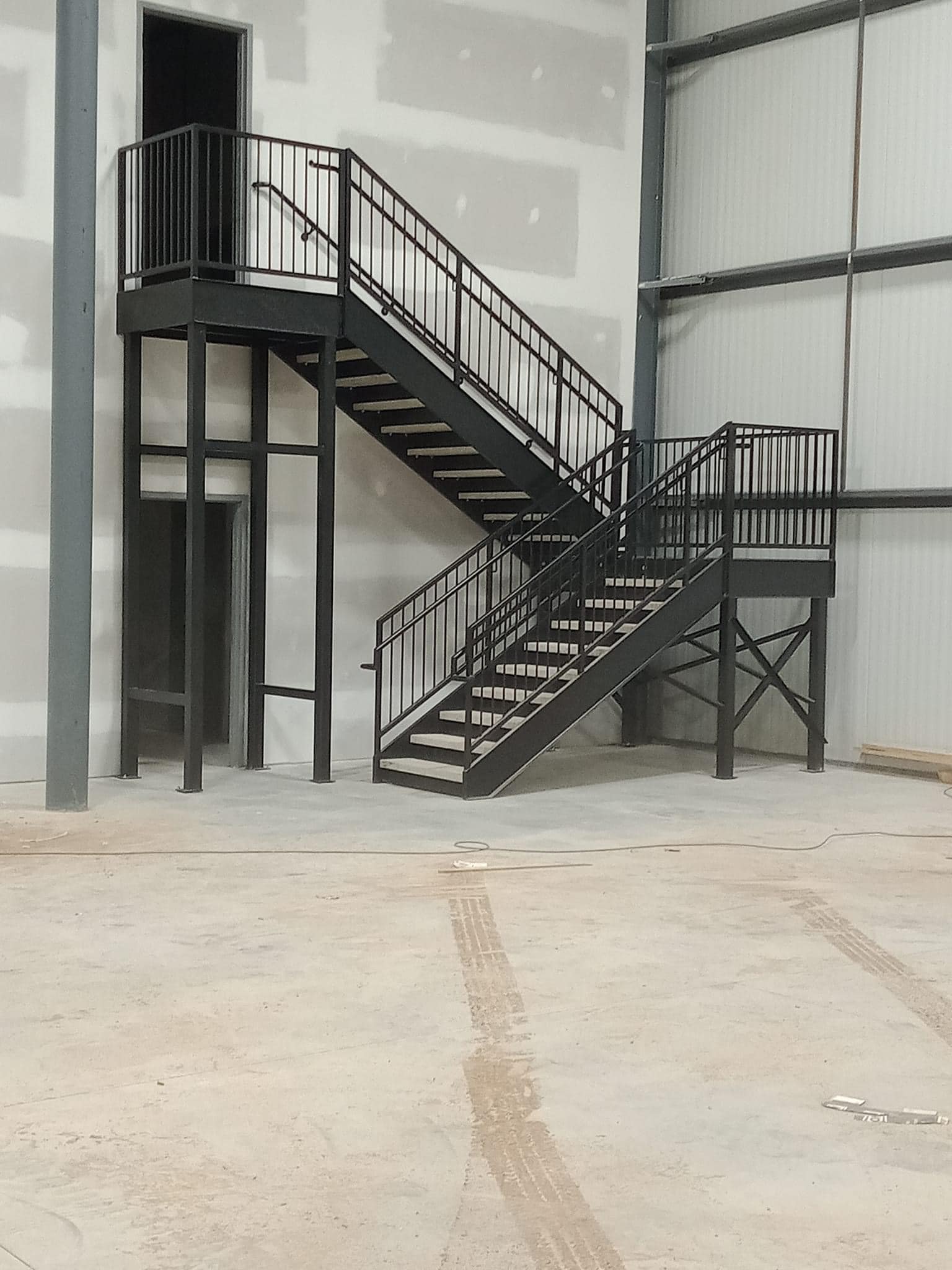
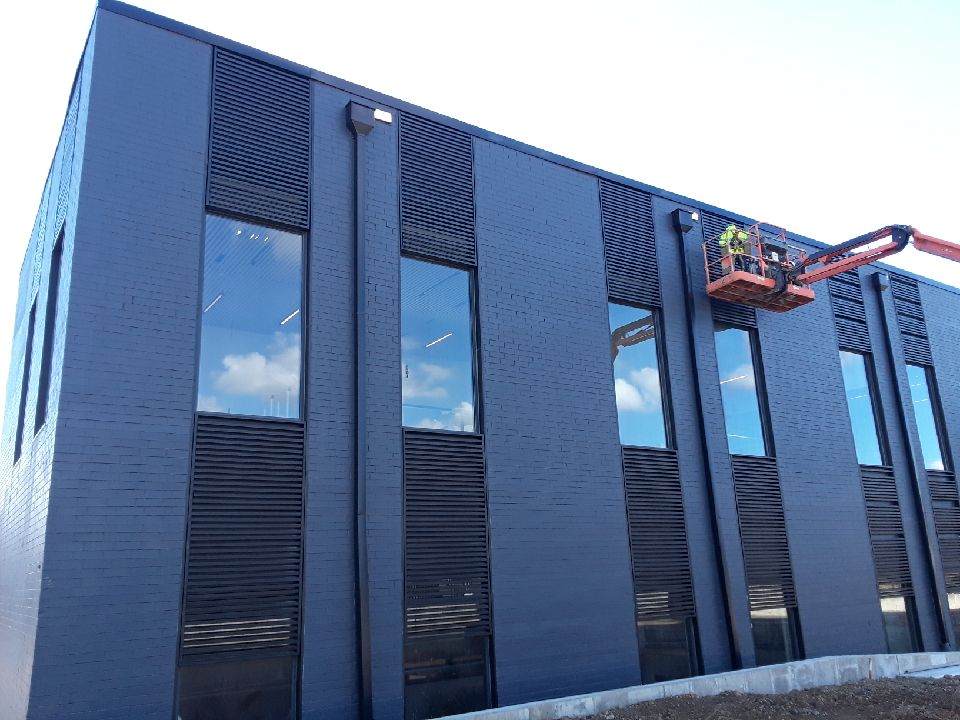
Miscellaneous metal fabrication detail
What Are Miscellaneous Metals?

The Functional Metalwork Behind Everyday Building Performance

While architectural metals often focus on appearance, miscellaneous metals are typically driven by function. These fabricated components support safety, access, circulation, maintenance, equipment access, and the daily operation of buildings and facilities.

Though they may not always be the most visible part of a project, miscellaneous metals are often critical to how the finished environment performs over time.

Common Applications

Where Miscellaneous Metals Commonly Fit

Miscellaneous metals support a wide range of construction and facility requirements across commercial, industrial, and public-sector projects.

Access & Safety Systems

Platforms, ladders, guards, railings, and fabricated components that support safe access and day-to-day facility operations.

Structural Support Components

Project-specific supports, frames, brackets, and miscellaneous fabricated elements built around operational and construction requirements.

Commercial & Municipal Applications

Metalwork supporting commercial buildings, industrial facilities, public spaces, infrastructure, and multi-family developments.

Project Priorities

Built Around Practical Project Requirements

Field-ready fabricated metalwork

Miscellaneous metals are often expected to perform under daily use, changing conditions, and long service lives. Successful fabrication depends on accurate dimensions, durable construction, practical coordination, and attention to installation requirements.

  • Clear project requirements and dimensions
  • Durable fabrication for long-term use
  • Attention to field conditions and installation needs
  • Coordination with project schedules
  • Reliable delivery and installation planning
Project Fit

Supporting Construction and Facility Operations

Miscellaneous metals often bridge the gap between structural systems, architectural features, and operational requirements. They help support how people move through spaces, how equipment is accessed, and how facilities function safely and efficiently.

  • Commercial construction projects
  • Industrial facilities and manufacturing environments
  • Municipal and public-sector facilities
  • Multi-family developments
  • Renovation and expansion projects
Commercial and industrial metal fabrication
Common Project Types

Commercial, Industrial & Municipal Work

Miscellaneous metals are commonly used where durability, safety, access, and long-term functionality are essential project priorities.

Additional Details

Project Considerations

Early coordination helps establish fabrication requirements, installation expectations, and project-specific considerations before work begins.

Drawings, specifications, sketches, equipment information, and scope documents help define fabrication requirements and establish project expectations.

Existing site conditions, access limitations, mounting requirements, and installation constraints should be shared whenever possible.

Target timing, sequencing requirements, delivery expectations, and staging needs can influence fabrication planning and project coordination.

FAQ

Miscellaneous Metals Questions

These answers address common questions from contractors, developers, municipalities, and facility teams planning miscellaneous metals scopes.

What is considered miscellaneous metals?

Miscellaneous metals generally include fabricated components that support access, safety, circulation, maintenance, and day-to-day building operations across commercial, industrial, municipal, and multi-family environments.

What types of components are typically considered miscellaneous metals?

Common miscellaneous metals scopes include railings, stairs, ladders, platforms, guards, bollards, equipment supports, access systems, brackets, and other fabricated components designed around project requirements.

Can project-specific components be reviewed?

Yes. Drawings, specifications, dimensions, field conditions, and project requirements help determine the appropriate fabrication approach.

Do you work directly from project drawings and specifications?

Yes. Construction documents, specifications, schedules, and project requirements are commonly used to establish scope, fabrication requirements, and installation planning.