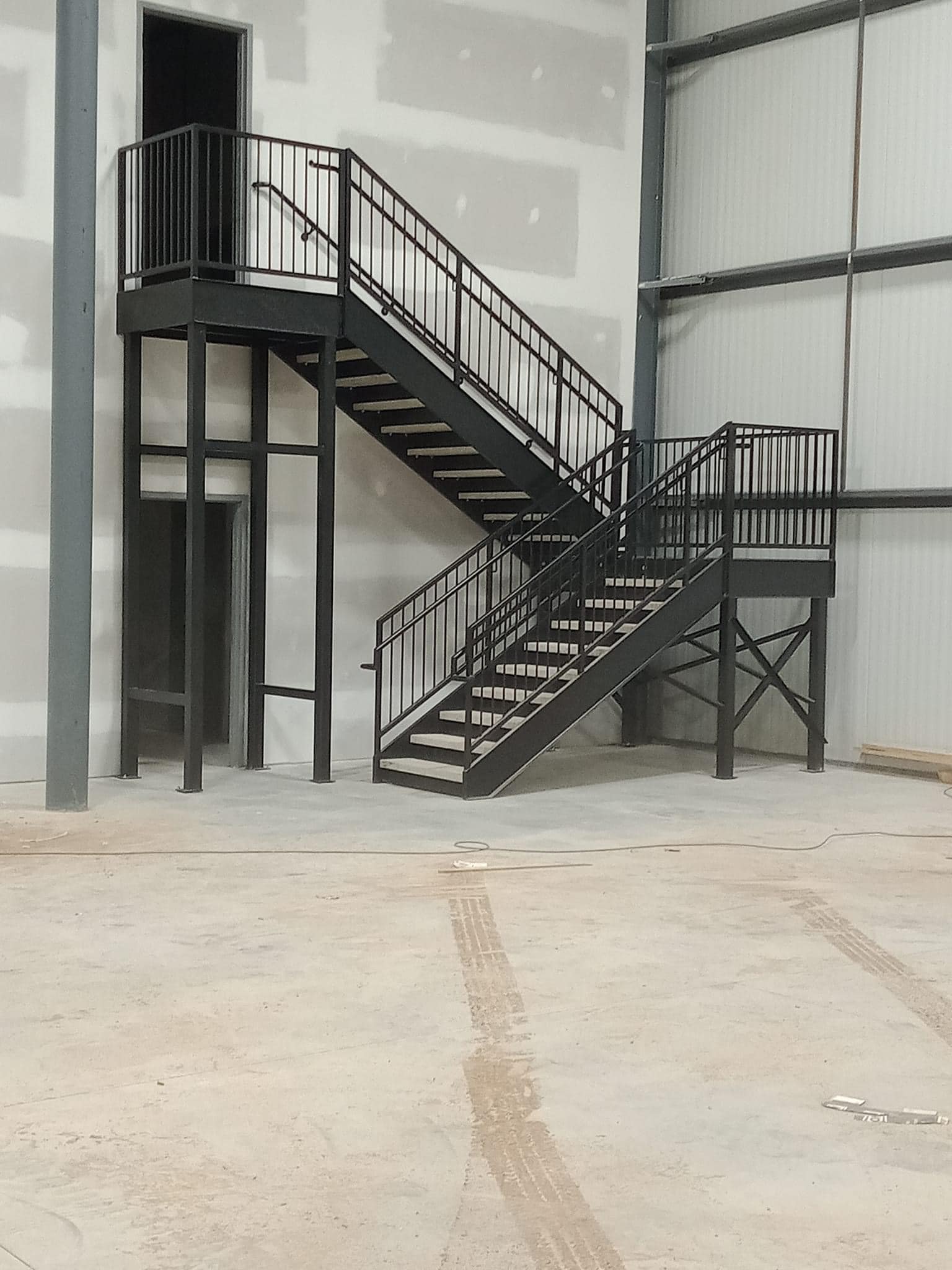
Key ConsiderationsFactors That Influence Material Selection
Material planning involves balancing performance requirements, fabrication needs, environmental exposure, and project objectives.
Project Environment
Indoor, outdoor, public-facing, industrial, and high-traffic environments can influence material selection and long-term performance expectations.
Performance Requirements
Durability, maintenance expectations, appearance, and intended use should be evaluated early in the planning process.
Fabrication Compatibility
Material decisions should align with fabrication requirements, installation needs, project schedules, and overall project objectives.
Long-Term PerformanceThe Right Material Supports The Entire Project Lifecycle
Material decisions influence more than fabrication alone. Maintenance expectations, environmental exposure, durability requirements, appearance goals, and installation considerations can all affect long-term project performance.
Evaluating these factors early helps support better planning decisions and may reduce future maintenance or replacement concerns.
ProcessHow Material Planning Supports Fabrication Projects
Material selection is typically evaluated alongside project requirements, environmental conditions, and fabrication objectives.
-
1
Review Project Requirements Evaluate project specifications, drawings, performance expectations, and design requirements.
-
2
Assess Environmental Conditions Consider exposure conditions, usage requirements, maintenance expectations, and site-specific factors.
-
3
Evaluate Fabrication Needs Review fabrication considerations, installation requirements, and project scheduling objectives.
-
4
Align Material Decisions With Project Goals Support material planning that balances performance, appearance, durability, and fabrication requirements.
Thoughtful material planning helps support fabrication quality, project performance, and long-term value.