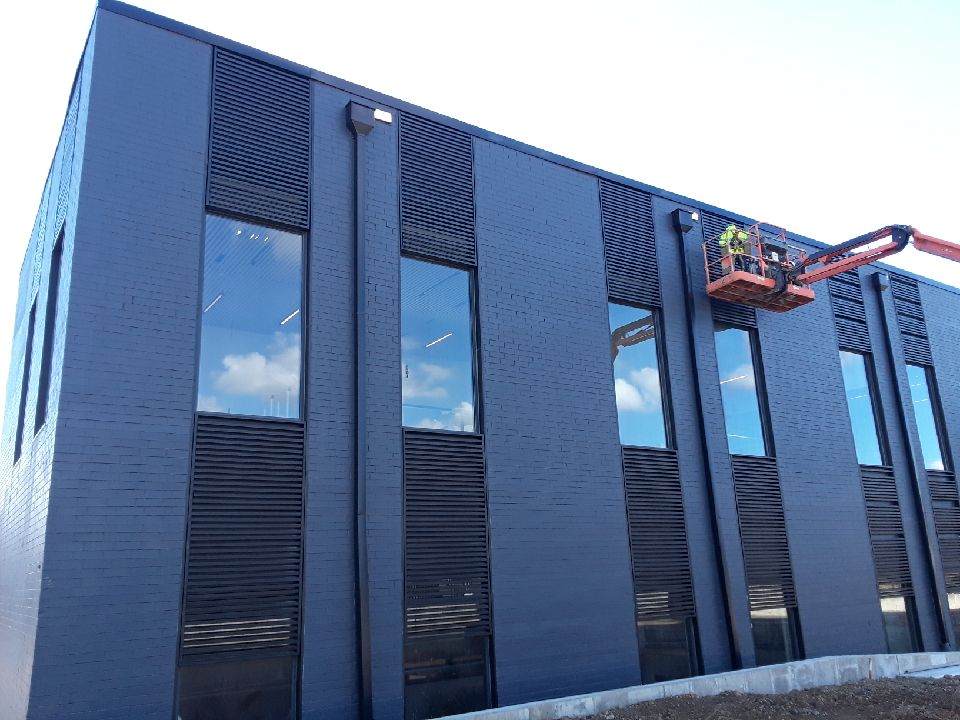
Planning PrioritiesWhat Installation Planning Should Address
Early discussions help identify project requirements and site considerations before field work begins.
Site Conditions
Access requirements, staging areas, dimensions, and jobsite constraints can significantly impact installation planning.
Schedule Coordination
Installation timing should align with overall project sequencing, site readiness, and delivery schedules.
Defined Responsibilities
Clear scope definitions help project teams understand responsibilities, coordination needs, and installation expectations.
Project ExecutionInstallation Planning Helps Protect Project Schedules
Many installation challenges can be addressed before work begins through proactive communication and project planning. Reviewing field conditions, access requirements, staging limitations, and scheduling considerations early often leads to more efficient project execution.
Installation planning helps align fabrication efforts with real-world site conditions, reducing the likelihood of avoidable delays and coordination issues.
ProcessTypical Installation Planning Process
Every project is unique, but installation planning generally follows a structured coordination process.
-
1
Review Project Requirements Evaluate project documentation, site information, schedules, and installation expectations.
-
2
Assess Site Conditions Review access requirements, staging opportunities, site constraints, and project sequencing needs.
-
3
Coordinate Scheduling Align fabrication completion, delivery timing, and installation requirements with project milestones.
-
4
Prepare For Field Execution Confirm communication pathways, site readiness, and project coordination requirements before installation activities begin.
Early planning and communication help create a smoother path from fabrication completion to successful project installation.